
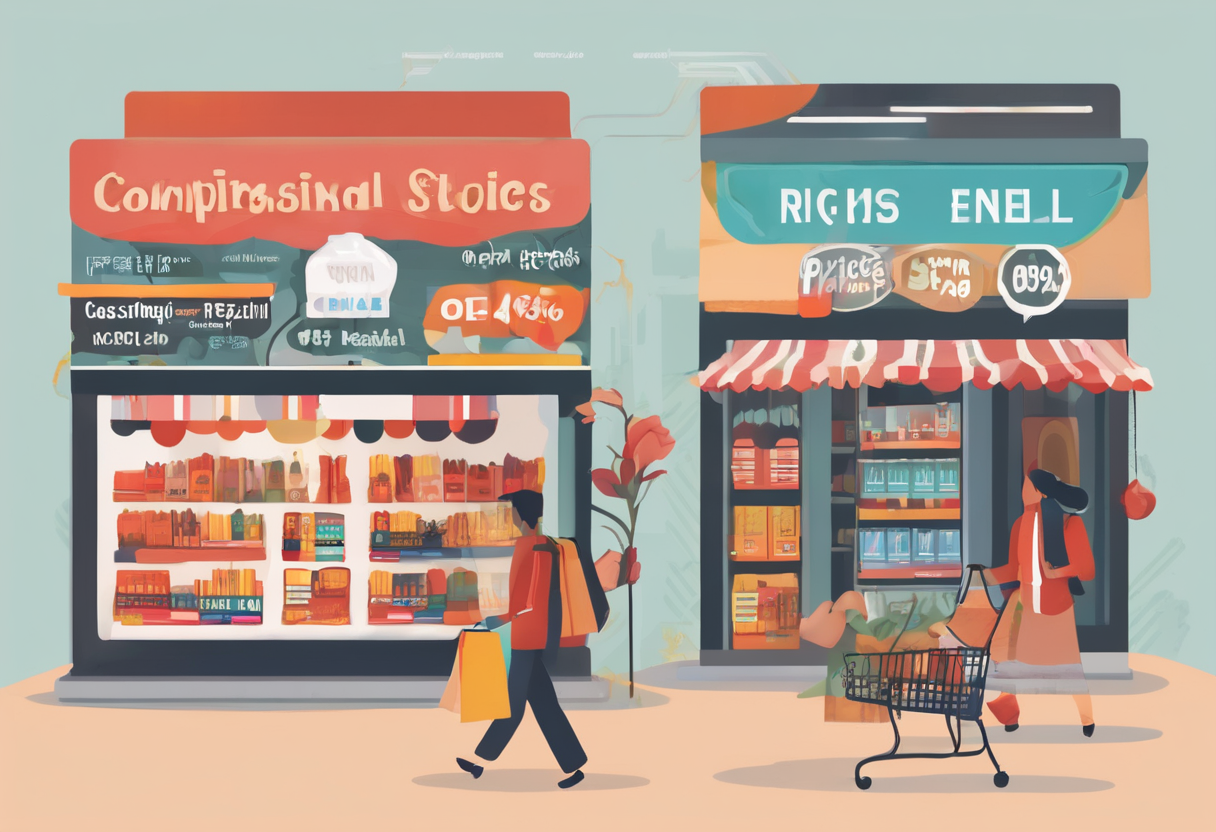
In recent years, the rise of e-commerce has greatly impacted traditional retail stores in Nepal. With the convenience of online shopping, more and more customers are turning to their devices and laptops to make purchases instead of physically going to brick-and-mortar stores. One of the key factors for this shift is the difference in prices between online shopping and traditional retail stores.
Online shopping offers a wider range of products at competitive prices compared to traditional retail stores. This is because online retailers have lower overhead costs, such as rent and utilities, which they can pass on to their customers. Additionally, online retailers can source their products directly from manufacturers, cutting out the middleman and further reducing costs. On the other hand, traditional retail stores have to deal with overhead expenses, such as rent, employees’ wages, and utilities, which ultimately drives up the prices of their products.
Moreover, customers can easily compare prices between different online stores with just a few clicks. This allows them to find the best deals and save money on their purchases. In traditional retail stores, customers may have to physically visit different stores to compare prices, which can be time-consuming and tiring. Additionally, many online retailers offer discounts, promotions, and loyalty programs, which further reduce the prices of their products. Traditional retail stores often struggle to match these offers, making it more expensive for customers to shop in-store.
In conclusion, the prices of products vary greatly between online shopping and traditional retail stores in Nepal. While traditional retail stores offer the convenience of instant gratification and the ability to physically touch and feel products, online shopping offers a wider range of products at more competitive prices. Therefore, it is important for customers to weigh their options and consider their budget before making a purchase, whether online or in-store.